

Table of Contents
- Quick Comparison: 5 Natural Hair Growth Serums for Women
- How We Evaluated These Natural Hair Growth Serums
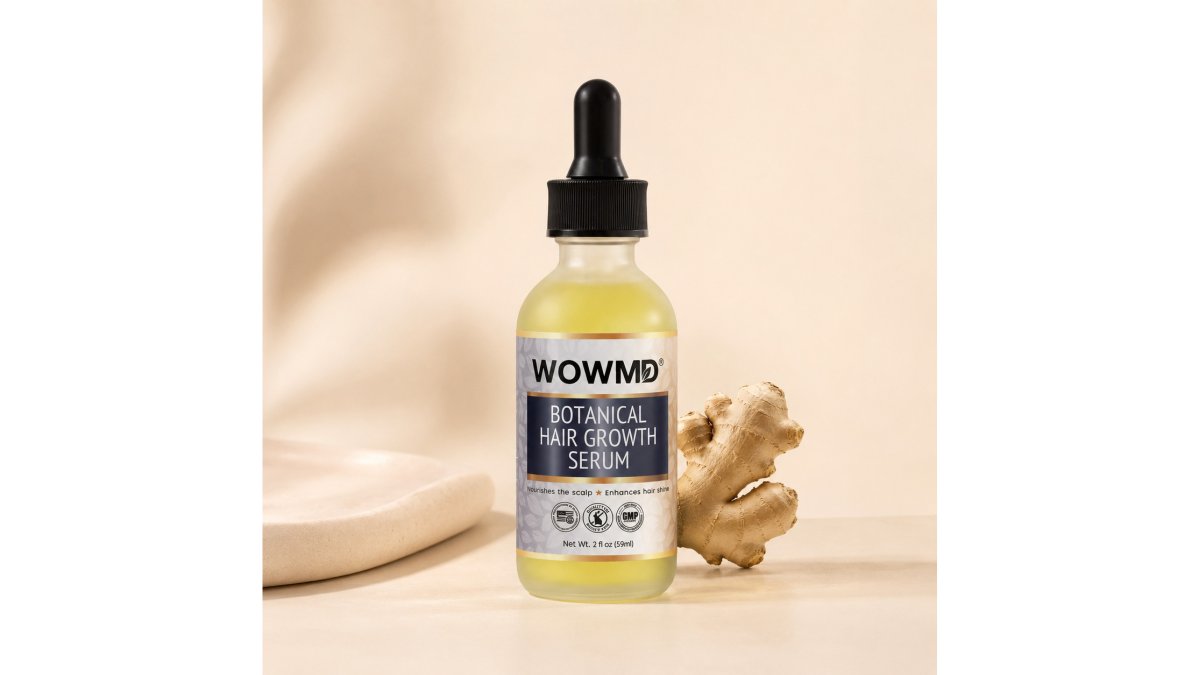
- 1. WowMD Botanical Hair Growth Serum: Best Botanical Scalp Serum
- 2. Force Factor Hair Growth Accelerator: Best for Thinning Hair and a Widening Part
- 3. Beauty Bundle Anti-Aging Skin & Hair Care: Best Natural Hair and Scalp Oil Routine
- How to Apply Hair Growth Serum for Better Absorption
- Hair Growth Serum Application Frequency and Results Timeline
- Ingredients to Avoid and Patch Testing Before You Commit
- Frequently Asked Questions
Last Updated: October 2, 2026
Quick Comparison: 5 Natural Hair Growth Serums for Women
This guide from Better Living Mosaic compares natural hair growth serums for women on ingredients, application, and value.
Below: what each option does, how to apply hair growth serum correctly, and how long results take.
Product |
Price |
Format |
Best For |
|---|---|---|---|
$69.00 |
Topical serum |
Botanical scalp support |
|
Force Factor Hair Growth Accelerator |
$46.95 |
Soft chew or capsule |
Thinning hair and a widening part |
Beauty Bundle: Anti-Aging Skin & Hair Care |
$85.00 |
Serum, salve, and scalp oil |
A full natural routine |
One note: consistency matters more than which bottle you buy. Many women quit after three weeks, right before the follicle cycle would show anything.

How We Evaluated These Natural Hair Growth Serums
We scored each option on ingredient transparency, application method, scalp tolerability, and monthly cost.
What matters is whether the formula supports scalp health over months, not days, so we favored short ingredient lists and clear usage instructions.
We also weighted how easily each fits an existing routine. A serum you skip because it is greasy or slow to absorb does nothing for hair density.
1. WowMD Botanical Hair Growth Serum: Best Botanical Scalp Serum
WowMD Botanical Hair Growth Serum is a plant-based topical formula designed to nourish the scalp and support the look of fuller, thicker hair. It costs $69.00 and uses rosemary, ginger, spirulina, and chlorella.

The formula is vegan and cruelty-free, as well as without any harsh chemicals. It is also lightweight and non-greasy.
Ingredients and What They Do for Scalp Health
Rosemary and ginger root extracts are traditional botanicals used to support scalp circulation. Spirulina and chlorella add antioxidant properties and help maintain a clean scalp environment.
Pros: Vegan formula, no synthetic fragrance, absorbs quickly, gentle enough for daily use. Cons: At $69.00 it costs more than a basic oil, and results depend on daily consistency.
2. Force Factor Hair Growth Accelerator: Best for Thinning Hair and a Widening Part
Thinning at the part is often the first visible sign of shedding. Force Factor Hair Growth Accelerator by Mosaic is a soft chew or capsule taken daily, priced at $46.95. It targets hair from the inside, making it a practical pairing with a topical serum, not a replacement.
Lustriva, Biotin, and the Nutrients Behind Hair Density
The headline ingredient is Lustriva, a patented complex of bonded arginine silicate and magnesium biotinate the brand states is 40 times more soluble than regular biotin.
The formula also includes collagen and silica. A 2021 independent study cited by the brand found 92% of women reported an improvement in overall hair volume.
Pros: Easy daily format, clinically studied key ingredient, addresses internal nutrition gaps. Cons: Contains fish-derived collagen, so it is not suitable for everyone; results take weeks.
3. Beauty Bundle Anti-Aging Skin & Hair Care: Best Natural Hair and Scalp Oil Routine
If you want one purchase that covers scalp and skin, this bundle is the most complete option at $85.00, with three handmade formulas from a mother-daughter team of registered nurses.
Mane Magic is the hair piece: a nontoxic scalp and hair oil you massage in for 30 minutes or leave overnight.
The trade-off is commitment: overnight oil treatments take planning. All sales are final, so read the details before ordering.
How to Apply Hair Growth Serum for Better Absorption
Correct application is simple, but the details decide whether the product works:
- Start with a clean, dry scalp, ideally after washing.
- Part your hair in sections to expose the scalp directly.
- Dispense a few drops and dab along the part line.
- Massage gently for 1 to 2 minutes to support scalp circulation.
- Leave it in for at least an hour before styling or washing.
Massage is not optional, it moves product past the hair shaft toward the follicle. Skip it and most of the serum stays on the surface.
WowMD™ Botanical Hair Growth Serum →
Hair Growth Serum Application Frequency and Results Timeline
Daily use is the baseline for topical serums, but you are syncing your routine to the hair growth cycle, which runs on its own clock.
What the Hair Growth Cycle Actually Means for Your Timeline
Each follicle moves through three phases:
- Anagen (growth phase): two to seven years for scalp hair. This is when the follicle is actively building a new shaft.
- Catagen (transition): about two to three weeks, when growth stops and the follicle shrinks.
- Telogen (resting phase): roughly three months, ending in shedding.
A topical serum can only influence follicles in or entering anagen, which is why the earliest honest feedback window is 8 to 12 weeks, you are waiting for resting follicles to re-enter growth, not for overnight results.
A Realistic Week-by-Week Expectation
- Weeks 1-4: Scalp hydration and texture change. Hair may feel softer. This is not density.
- Weeks 4-8: Reduced shedding for some users. Baby hairs at the hairline and part are the first visible sign.
- Weeks 8-16: Early density changes at the part and crown become noticeable in photos.
- Months 4-6: Fuller-looking results in the areas you have been treating consistently.
Frequency: What Most Formulas Actually Recommend
Topical serums are typically applied once daily to a clean, dry scalp. Doubling up does not double results, it mostly increases buildup and irritation. Supplements like Force Factor Hair Growth Accelerator are taken once daily with a meal, since fat-soluble nutrients absorb better with food.
If you miss a day, do not double the next application. Consistency over weeks matters far more than perfection on any single day.
Why Your Type of Thinning Changes the Timeline
This is the part that actually determines whether a serum can help you.
- Nutritional thinning (low iron, low vitamin D, inadequate protein, crash dieting) often responds to internal support plus a topical serum. If a deficiency is the driver, no topical product will outrun it.
- Stress-related shedding (telogen effluvium) usually follows a stressful event by about two to three months. It often self-corrects, and a serum supports the scalp while the cycle resets.
- Postpartum shedding peaks around three to six months after delivery and typically resolves over six to twelve months as hormones normalize.
- Hormonal and pattern thinning (androgenetic alopecia, thyroid issues, PCOS) is the category where a cosmetic serum is a supporting player, not the solution. This type warrants a conversation with a dermatologist or physician, because the underlying driver needs to be addressed.
A useful rule: if your part widens gradually over years, think hormonal. If shedding spiked suddenly after an event, illness, or diet change, think nutritional or stress-related. Matching the serum to the cause matters more than the serum itself.
How to Layer Serums With the Rest of Your Routine
Order of application matters more than most women realize:
- Cleanse and towel-dry the scalp.
- Apply the serum directly to the scalp, not the lengths.
- Massage for 1 to 2 minutes.
- Wait 5 to 10 minutes for absorption before adding leave-in conditioner, oil, or styling products.
- If you use a scalp oil, apply it after the serum, oils can create a barrier that slows absorption of water-based formulas.
- Apply heat protectant before any hot tool, and keep heat away from the scalp itself.
Do not mix a serum with a heavy oil in the same step. You will dilute the actives and waste the application.
Ingredients to Avoid and Patch Testing Before You Commit
Most hair serum labels are written to be skimmed, not understood. Here is what to look for, and what to do before committing a full bottle to your scalp.
Ingredients Worth Avoiding, and Why
- Sulfates (sodium lauryl sulfate, sodium laureth sulfate): Harsh surfactants that strip natural oils and can irritate a compromised scalp.
- Parabens (methylparaben, propylparaben): Preservatives some users prefer to avoid, particularly on reactive skin.
- Phthalates: Often hidden in "fragrance" on a label; linked to irritation in sensitive users.
- Mineral oil and petrolatum: Occlusive ingredients that trap buildup and interfere with absorption of the actives you paid for.
- Synthetic fragrance and essential oil blends: The most common cause of contact dermatitis on the scalp. If a formula lists "fragrance" without specifics, treat that as a yellow flag.
- Drying alcohols (denatured alcohol, isopropyl alcohol) high on the list: Fine in a quick-drying styling spray, less ideal in a daily leave-on scalp product.
WowMD Botanical Hair Growth Serum is formulated without sulfates, parabens, silicones, and synthetic fragrance, which is why it is a reasonable starting point for reactive scalps.
Patch Testing Potent Actives: A Real Protocol
Most guides tell you to "patch test" and stop there. That fails for hair serums because the ingredients that do the work, rosemary extract, ginger, caffeine, peptides, niacinamide, are the ones most likely to provoke a reaction.
Here is a protocol that isolates the variable:
- Choose the right site. The inner forearm is standard, but behind the ear or along the hairline gives a closer match to scalp skin.
- Apply a pea-sized amount of the undiluted serum to a 1-inch square. Do not mix it with anything.
- Wait 24 hours. Check for redness, itching, burning, or swelling, and photograph the spot for a baseline.
- Wait a full 48 hours before declaring it clear, some reactions to botanical extracts are delayed.
- If clear, apply to a small section of scalp, a single part line, not the whole head.
- Wait another 24 hours. If that section is calm, proceed to full application.
- Stop immediately if you develop hives, spreading redness, or swelling beyond the application site. That is not a purge or an adjustment period.
Actives That Deserve Extra Caution
- Rosemary and peppermint oils: Generally well tolerated, but concentrated essential oils can irritate sensitive skin. Diluted formulas are safer than DIY blends.
- Caffeine: Common in scalp serums. Most users tolerate it, but it can sting an already-irritated scalp.
- Peptides (including Capixyl and similar complexes): Low irritation risk, but worth patch testing if you have reacted to skincare peptides before.
- Niacinamide: Usually gentle, though a small percentage of users experience flushing or tingling at higher concentrations.
- Biotin in topical form: Rarely irritating, but if you also take a high-dose oral biotin supplement, tell your doctor before any lab work, biotin can skew thyroid and cardiac test results.
A Note on Hormonal vs. Nutritional Thinning
A serum supports the scalp regardless of cause, but it will not correct an underlying hormonal driver. If your thinning comes with irregular cycles, unexplained weight changes, or a part that has widened steadily for years, see a physician rather than buying a stronger serum. Nutritional thinning often responds to internal support plus a topical formula used consistently.
How to Read a Label in 30 Seconds
Scan the first five ingredients, in a leave-on scalp serum, those are the highest-concentration components. If water, alcohol, and fragrance lead the list, the "active" botanicals further down are likely token amounts. A short list with recognizable ingredients near the top beats a long one with a trademarked blend at the bottom.
Frequently Asked Questions
What is the best natural serum for hair growth?
The right pick depends on your main concern. For a plant-based, non-greasy daily scalp serum, the WowMD Botanical Hair Growth Serum uses rosemary, ginger, spirulina, and chlorella to hydrate the scalp and support the look of thicker, fuller hair. If your part is widening or shedding has increased, the Force Factor Hair Growth Accelerator pairs Lustriva with biotin, collagen, and saw palmetto to support hair from within. Match the format to your routine: topical serums for scalp care, supplements for nutritional gaps.
How long does it take to see results from hair growth serums?
Expect a slow build. WowMD says most users notice improvements within 4 to 8 weeks of consistent use, with fuller, thicker-looking results developing over 3 to 6 months. Hair grows in cycles, so the anagen (growth) phase needs time to show visible change. Take a photo of your part and hairline on day one under the same lighting, then compare at 8 and 12 weeks. Consistent daily use matters more than any single product choice.
How often should I apply hair growth serum?
Daily application works best for most topical serums. WowMD recommends applying a few drops to a clean scalp every day, massaging gently for 1 to 2 minutes and leaving it in for at least an hour. Daily use keeps the scalp consistently nourished and supports absorption. If your scalp is sensitive, start every other day for the first week, then build up. Skipping days slows the timeline, so tie application to an existing habit like your evening routine.
Can hair growth serums help with thinning hair and a widening part?
They can support the appearance of fuller hair, but they are not treatments for medical hair loss. Topical serums focus on scalp hydration, follicle nourishment, and circulation, which matter for hair density over time. The Force Factor Hair Growth Accelerator targets thinning from within with Lustriva, biotin, collagen, and and silica.
Are natural hair growth serums safe for daily use?
Most botanical formulas are designed for daily use, and WowMD is without any harsh chemicals. That said, natural does not automatically mean irritation-free. Do a patch test on the inner forearm 24 to 48 hours before your first full application, especially if you have sensitive skin or known plant allergies.