

Table of Contents
- How Hair Removal Cream Works
- Hair Removal Cream Patch Test: Why It Matters
- Prepare Your Skin Before Application
- How to Apply Hair Removal Cream Correctly
- How Long to Leave Hair Removal Cream On
- How to Use Hair Removal Cream on Underarms
- Hair Removal Cream Before and After Care
- What to Do If Your Skin Reacts
- Frequently Asked Questions
Last Updated: October 11, 2026
How Hair Removal Cream Works
Hair removal cream dissolves unwanted hair below the skin's surface using a chemical process rather than cutting or pulling it out. The active ingredient breaks down the protein structure of the hair shaft, allowing it to be wiped away cleanly. This approach differs from shaving, which cuts hair at skin level and often leaves stubble within hours, or waxing, which yanks hair from the root but causes discomfort and redness.

The formula typically contains calcium thioglycolate, which chemically softens hair without damaging healthy skin when used as directed. Most depilatory creams work within 5 to 10 minutes, making them faster than many other hair removal methods.
The result is smooth skin that lasts longer than shaving but requires reapplication every few days as new hair grows in. Hair removal cream is temporary but painless and affordable for regular use.
Hair Removal Cream Patch Test: Why It Matters
A patch test applies a small amount of product to hidden skin to check for allergic reactions or sensitivity before full use. This 24-hour step can prevent painful irritation on visible skin.
Apply a dime-sized amount to the inside of your elbow or behind your ear. Leave it on for the full recommended time, then remove as normal. Wait 24 hours and check for redness, itching, swelling, or burning.
If your skin shows any negative reaction, do not use the product on your body. If the patch test area looks and feels normal after a full day, you can safely proceed with full application. This simple precaution is especially important if you have sensitive skin, are using a new brand, or have reacted to depilatory products in the past.
Prepare Your Skin Before Application
Clean, dry skin is essential for effective hair removal. Start by washing the area with mild soap and warm water, then pat it completely dry with a clean towel. Moisture on the skin can dilute the cream and reduce how well it works.
Exfoliating gently 24 hours before application removes dead skin cells and improves results. Use a soft washcloth or gentle product; avoid harsh scrubs. Skip exfoliation if skin feels sensitive.
Avoid lotions, oils, deodorant, or other products before application, they create a barrier that reduces effectiveness. Wash off any sunscreen or moisturizer completely before using hair removal cream.
Make sure the area is completely dry before opening the hair removal cream. Moisture will affect the cream's consistency and performance.
How to Apply Hair Removal Cream Correctly
Apply the cream in an even layer covering all unwanted hair. Use the provided applicator, brush, or spatula to spread smoothly without rubbing into skin.
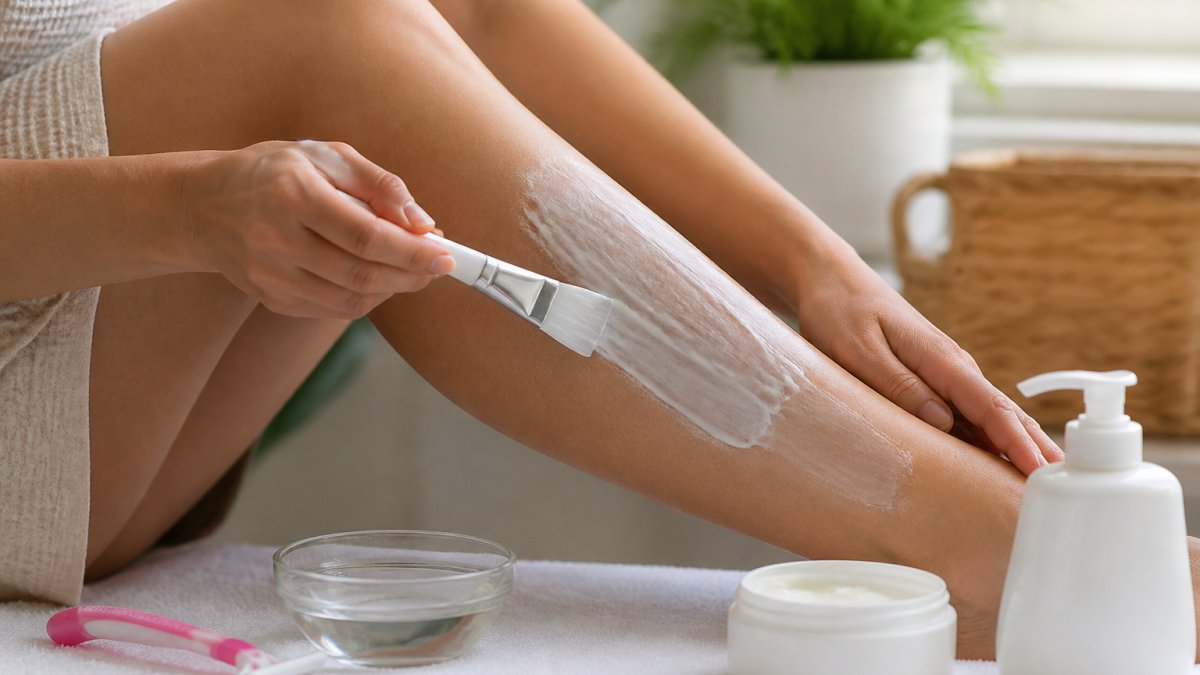
Start at the bottom and work upward for complete coverage. The cream should sit on top of skin, not be massaged in. An even layer at recommended thickness is what matters.
Pay special attention to areas where hair is thicker or coarser, as these may need slightly more product. However, avoid applying extra cream to delicate areas like the bikini line or underarms, where skin is more sensitive.
How Long to Leave Hair Removal Cream On
Most hair removal creams work within 5 to 10 minutes. Always follow your product's specific timing, this is crucial for safety and effectiveness.
Set a timer to avoid leaving cream on too long, which increases irritation risk without improving results. With sensitive skin, start with the minimum time and extend if needed.
After half the recommended time, gently wipe a small area with a damp cloth. If hair comes away easily, remove the cream early. Otherwise, leave on for the full duration.
Never exceed the maximum time listed on the package. Doing so won't remove more hair, it will only increase irritation risk.
How to Use Hair Removal Cream on Underarms
Underarm skin is thinner, more sensitive, and prone to friction from clothing and sweat. Deodorant and antiperspirant residue can interfere with effectiveness or increase irritation risk.
Preparation for underarms:
Wash underarms thoroughly with mild soap and water at least 2 hours before application to remove deodorant, antiperspirant, and sweat buildup. Pat completely dry.
Application technique:
Apply a thin, even layer from the outer edge toward the center, covering all visible hair. Avoid the armpit crease and inner arm where skin is thinner.
Use the minimum recommended time, typically 5 to 7 minutes for underarms. Set a timer and do not exceed it; longer contact does not improve results.
During application:
Wear loose, sleeveless, or breathable clothing while the cream sits. Tight sleeves trap heat and moisture, intensifying the reaction and increasing irritation risk.
Avoid raising your arms or pressing them against your body, as this can cause the cream to spread unevenly or rub off.
Removal and aftercare:
When the timer goes off, gently wipe away the cream with a damp cloth from outer edge inward. Rinse thoroughly with cool water until all cream and hair are gone. Do not scrub.
Pat the skin completely dry with a clean, soft towel. Wait at least 3 to 4 hours before applying deodorant or antiperspirant, longer if the skin feels tender.
For the first 24 hours after treatment, avoid tight sleeves or bras, excessive sweating or intense exercise, hot showers or steam, fragranced deodorants or body sprays, and exfoliating or scrubbing the area.
After 24 hours, apply a fragrance-free, hypoallergenic moisturizer to keep the skin hydrated and prevent dryness or flaking.
Phofay™ Gentle Body Hair Removal Cream →
When to avoid underarm application:
Do not use hair removal cream on underarms if you have active razor burn, ingrown hairs, cuts, or irritation from recent shaving or waxing.
Hair Removal Cream Before and After Care
Rinse the area thoroughly with cool water until all traces of product are gone. Gently wipe away remaining cream and hair with your fingers or soft cloth. Do not scrub.
Pat the skin dry with a clean, soft towel. Avoid hot water, which can further irritate freshly treated skin. Cool water closes pores and calms the skin.
For the first few hours after hair removal, avoid hot showers or baths, tight clothing, fragranced lotions or perfumes, sunscreen or heavy moisturizers, and swimming or soaking.
After a few hours have passed, apply a fragrance-free moisturizer to soothe and hydrate the skin. This helps prevent dryness and keeps skin smooth. If the area feels tender, a cool compress can provide relief.
Hair will begin growing back within 3-5 days. You can reapply hair removal cream as needed, but allow at least 24 hours between applications to avoid irritating your skin.
What to Do If Your Skin Reacts
Understanding the difference between normal sensations and a genuine adverse reaction is critical for safe use. Hair removal cream causes a chemical reaction on the hair shaft, which can produce warmth, mild tingling, or a slight prickling sensation on the skin. These sensations are expected and normal.
Normal sensations during application:
- Mild warmth or heat on the skin
- Light tingling or prickling
- Slight flushing or redness that fades within 1 to 2 hours after rinsing
- Minimal itching that resolves after moisturizing
These do not require action beyond following the standard removal and aftercare steps.
Warning signs of a reaction, stop immediately:
If you experience any of the following during or shortly after application, remove the cream at once:
- Intense burning or stinging that worsens over time
- Significant itching or pain
- Visible hives, welts, or raised bumps
- Blistering or fluid-filled bumps
- Swelling of the skin, lips, face, or throat
- Difficulty breathing or tightness in the chest
- Rash that spreads beyond the application area
Immediate response to a reaction:
-
Stop the application. Remove the cream immediately using a damp cloth or soft washcloth. Do not wait for the timer to go off.
-
Rinse thoroughly. Use cool (not cold) running water and rinse the area for at least 5 to 10 minutes to remove all traces of the product. Avoid hot water, which can worsen irritation.
-
Pat dry gently. Use a clean, soft towel. Do not rub.
-
Apply a cool compress. Place a clean, damp cloth or ice pack wrapped in a thin towel on the affected area for 10 to 15 minutes to reduce inflammation and soothe burning.
-
Avoid other products. Do not apply lotions, oils, fragrance, or other products to the area for at least 24 hours. If the skin feels very dry, apply a fragrance-free, hypoallergenic moisturizer after the cool compress.
When to seek medical attention:
Contact a dermatologist or seek immediate medical care if:
- Swelling affects the face, lips, mouth, or throat
- You have difficulty breathing or feel faint
- Blistering, severe rash, or open sores develop
- Irritation worsens or does not improve within 24 hours
- You develop signs of infection (warmth, pus, increasing redness, or fever)
Delayed reactions (hours or days after use):
Some people develop redness, itching, or mild swelling 4 to 24 hours after treatment. This is often a sign of contact dermatitis or sensitivity to the product. Apply cool compresses and fragrance-free moisturizer, and avoid sun exposure and friction from clothing. If symptoms persist beyond 48 hours or worsen, discontinue use and consult a dermatologist.
Sensitivity patterns and repeat use:
Sensitivity can develop or worsen with repeated use, even if you've used the product successfully before. Some people notice increased reactions during certain times of the menstrual cycle, during periods of high stress, or when skin is already compromised by sun exposure, wind, or other irritants.
If you notice increasing irritation with each application, try:
- Extending the time between applications to every 7 to 10 days instead of every 3 to 5 days
- Applying to smaller areas at a time
Never use hair removal cream if:
- You have open cuts, wounds, or abrasions on the area
- The skin is sunburned or wind-burned
- You have active eczema, psoriasis, dermatitis, or other skin conditions on the treatment area
- You are allergic to any ingredient in the product (check the label)
- You have had a severe reaction to hair removal cream in the past
If you are unsure whether your skin is suitable for hair removal cream, perform a patch test at least 24 hours before full application, and consult a dermatologist if you have a history of sensitive skin or skin conditions.
Frequently Asked Questions
How long should you leave hair removal cream on?
Follow the product instructions carefully, as timing varies by brand and formula. Most hair removal creams work within 5-10 minutes. Set a timer to avoid leaving the cream on too long, which can irritate skin. Check the product label before applying, and never exceed the maximum time listed. If you're using the cream for the first time, start at the shorter end of the recommended window to see how your skin responds.
Should you do a patch test before using hair removal cream?
Yes, a patch test is essential, especially if you have sensitive skin or are trying a new product. Apply a small amount of cream to a discreet area like your inner arm or behind your ear 24-48 hours before full application. Watch for redness, itching, burning, or other signs of irritation. If your skin reacts, do not use the product on larger areas. A patch test takes just minutes and can prevent uncomfortable reactions on visible skin.
Can you use hair removal cream on your underarms?
Yes, but underarm skin is sensitive and requires extra care. Always perform a patch test first. When applying, use a thin, even layer and avoid getting cream into the underarm fold or near the breast tissue. Follow the product's timing instructions exactly, and rinse thoroughly with cool water. Many people find underarms are more prone to irritation, so consider using a gentler formula or shorter application time if you have reactive skin.
What should you do after using hair removal cream?
After removing the cream and rinsing thoroughly, pat skin dry gently. Apply a fragrance-free moisturizer to soothe and hydrate the area. Avoid hot showers, tight clothing, fragranced products, and direct sun exposure for at least a few hours. If your skin feels tender, apply a cool compress for comfort. Skip exfoliation and other active products for 24-48 hours to let your skin recover fully.