

Table of Contents
- Why People Seek Alternatives to Synthetic Melatonin for Better Sleep
- Understanding Melatonin Side Effects
- Magnesium for Sleep: A Research-Backed Option
- Herbal Sleep Remedies Worth Considering
- Sleep Hygiene Tips and Behavioral Interventions
- Safety, Interactions, and Who Should Avoid Certain Options
- Choosing the Right Natural Alternative for Your Sleep Problem
- Frequently Asked Questions
Last Updated: October 14, 2026
Why People Seek Alternatives to Synthetic Melatonin for Better Sleep
Many people turn to natural alternatives to synthetic melatonin for better sleep because they want restorative rest without relying on prescription or over-the-counter sleep aids. Some experience side effects from melatonin supplements, while others prefer plant-based remedies or behavioral approaches that address the root causes of sleep disruption rather than masking symptoms.
At Better Living Mosaic, we understand that sleep support looks different for everyone. Whether you're interested in herbal sleep remedies, magnesium supplementation, or lifestyle adjustments, this guide explores evidence-backed options and practical guidance on choosing what works for your specific sleep problem.
Understanding Melatonin Side Effects
Synthetic melatonin signals your body that it's time to rest, but it's not without drawbacks. Common side effects include morning grogginess, headaches, and vivid dreams, and some people report feeling dependent after regular use, finding it harder to fall asleep naturally when they stop.
Melatonin affects everyone differently, which is why many people explore non-hormonal pathways to better sleep. Rather than introducing an external hormone, they prefer supporting the body's natural sleep mechanisms through nutrition, herbs, and environmental adjustments.
Long-term effects of regular synthetic melatonin use aren't fully understood, another reason people seek alternatives. If you've tried melatonin and found it unsatisfying, the options below provide different mechanisms for supporting healthy sleep.
Magnesium for Sleep: A Research-Backed Option
Magnesium is a mineral that supports muscle relaxation and nervous system function, both critical for quality sleep. Many people don't consume enough through food, and deficiency can contribute to sleep disruption and everyday stress. Supplementing with magnesium glycinate or eating magnesium-rich foods offers a practical way to support sleep quality.
How Magnesium Supports Sleep Quality
Magnesium helps regulate your circadian rhythm and promotes deep, restorative rest by calming the nervous system and reducing muscle tension. Unlike melatonin, it doesn't introduce a hormone; instead, it addresses a nutritional gap that may be contributing to poor sleep.
Magnesium-rich foods include leafy greens, nuts, seeds, and whole grains. If you prefer supplementation, magnesium glycinate is often recommended because it combines magnesium with glycine, another amino acid that supports relaxation and sleep onset.
Dosage and Timing Considerations
Magnesium dosage varies by age, sex, and individual needs. Most adults benefit from 200-400 mg daily, taken 30-60 minutes before bed to allow absorption and promote muscle relaxation before sleep.
Start with a lower dose and adjust gradually, since some people experience digestive effects. If you take medications or have kidney concerns, consult a healthcare provider first.
| Magnesium Form | Best For | Timing | Typical Dose |
|---|---|---|---|
| Magnesium glycinate | Sleep support and relaxation | 30-60 min before bed | 200-400 mg |
| Magnesium citrate | General health and digestion | With meals | 200-400 mg |
| Magnesium-rich foods | Daily nutrition | Throughout day | Variable |
Herbal Sleep Remedies Worth Considering
Herbal supplements have been used for centuries to support relaxation and healthy sleep, and interest has grown as more people seek alternatives to synthetic options. The herbs below have varying levels of research support, so it helps to know which have stronger human evidence and how each is typically prepared.
Valerian Root and Traditional Use
Valerian root is an herb traditionally used to promote relaxation and support sleep onset. It has been part of herbal medicine for centuries, most often prepared as a tea, tincture, or capsule, and contains compounds that may calm the nervous system and reduce the time it takes to fall asleep.
Valerian works differently than melatonin: rather than signaling sleep time, it appears to promote a calming effect that makes falling asleep easier.
Common dosing ranges from 400-900 mg of standardized extract taken 30-120 minutes before bed. Valerian may cause drowsiness the next day for some people, so it is wise to test it on a night when you do not need to drive or perform tasks requiring alertness. It can also interact with sedative medications and alcohol.
Chamomile, Passionflower, and Other Calming Herbs
Chamomile is the most recognizable herbal tea for sleep support, a familiar ritual for those seeking a gentle, non-supplement approach to relaxation. It may promote a calming effect without the heaviness of other sleep aids, and is generally mild and well tolerated, though people with daisy-family allergies should use caution.
Passionflower is another traditional herb used to address everyday stress and promote relaxation, with small human studies showing generally favorable but limited results for sleep quality. It has a milder taste than valerian and is often blended with other herbs; it may interact with sedative medications.
Lemon balm is a gentle, lemon-scented mint-family herb used traditionally for restlessness and nervous tension, often blended with chamomile or valerian. It is generally mild but may interact with thyroid medications.
Other calming herbs include lavender, used as a tea and in aromatherapy, and hops, a traditional ingredient in evening blends. Herbal teas offer both hydration and the calming properties of the plants themselves.
Ashwagandha and Stress-Related Sleep Support
Ashwagandha is an adaptogenic herb traditionally used to support the body's response to everyday stress. When stress drives sleep disruption, it may help by promoting relaxation and emotional balance, with several small human trials reporting improvements in sleep quality and stress markers.
Ashwagandha works through stress-related sleep support rather than direct sedation, addressing the underlying cause if racing thoughts or tension keep you awake. Typical dosing is 300-600 mg daily, taken consistently, with root extracts the most studied form. People who are pregnant, nursing, or taking thyroid or immunosuppressant medications should consult a healthcare provider first.
L-Theanine for Relaxation Without Drowsiness
L-theanine is an amino acid found in green tea that promotes relaxation without drowsiness, useful for calming the mind before bed without the heavy feeling of some sleep supplements. It works by promoting alpha brain waves, a state of calm alertness, and has a relatively consistent body of small human studies supporting a relaxation effect.
Many people take 100-200 mg of L-theanine 30-60 minutes before bed. Because it promotes relaxation rather than sleep directly, it pairs well with magnesium or herbal teas, and is generally well tolerated, though it can amplify sedative medications.
Neck & Face Lifting LED Therapy Massager →
Sleep Hygiene Tips and Behavioral Interventions
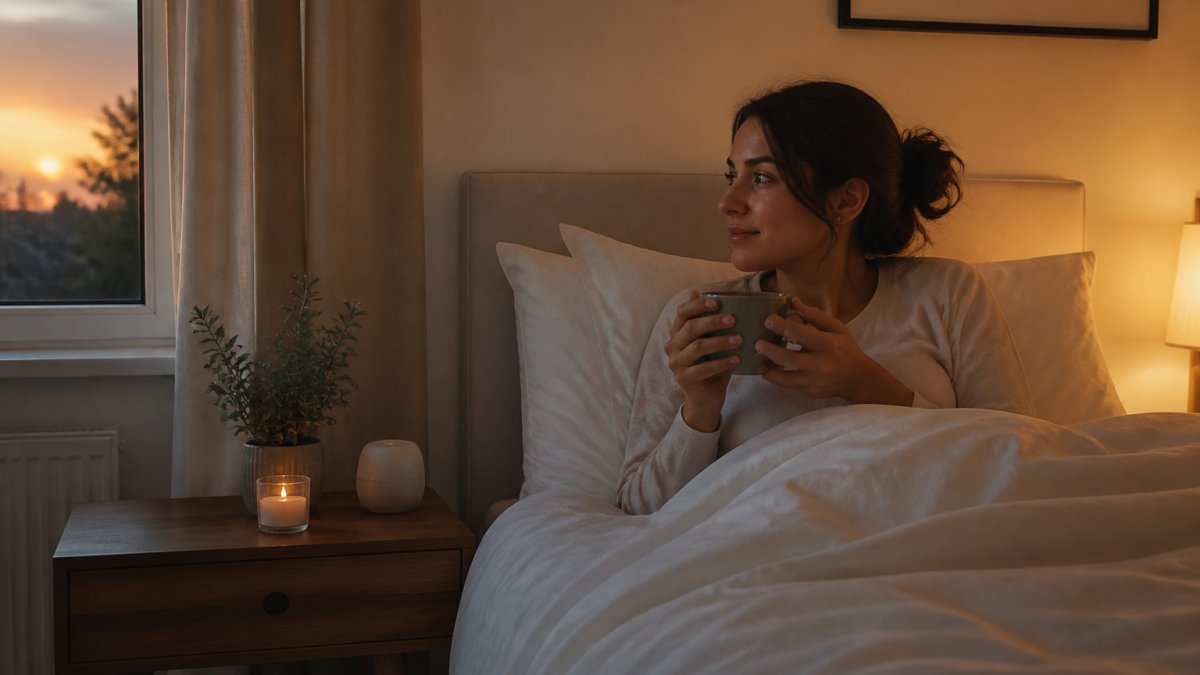
Sleep hygiene, the habits and environment that support quality sleep, often matters more than any supplement, and behavioral changes that address the root cause can be more effective long-term than sleep support alone.
Environmental and Routine Adjustments
Keep your room cool (around 65-68°F), dark, and quiet. Artificial light from screens suppresses melatonin production, so reducing screen time 30-60 minutes before bed helps your body recognize it's time to sleep; blackout curtains or an eye mask help if outside light is an issue.
A consistent sleep schedule trains your circadian rhythm. Going to bed and waking at the same time daily, even on weekends, is one of the most powerful tools for improving sleep quality without supplements.
Other adjustments include removing work materials from the bedroom, using white noise for disruptive sounds, and reserving the space primarily for sleep and intimacy.
When to Prioritize Behavioral Changes Over Supplements
If sleep disruption is recent or tied to a specific stressor, a new job, travel, temporary anxiety, behavioral interventions alone often resolve it. Supplements work best combined with good sleep hygiene, not as replacements.
Many sleep problems stem from irregular schedules, excessive screen time, or an unsupportive bedroom environment. Addressing these first gives your body the best chance to sleep naturally; supplements become most useful when behavioral changes alone aren't sufficient.
Safety, Interactions, and Who Should Avoid Certain Options
Not every option is right for every person, the difference between a helpful supplement and a harmful one often comes down to what else you take and what conditions you have.
Medication Interactions to Know
Magnesium can interfere with absorption of tetracycline and fluoroquinolone antibiotics and bisphosphonates used for bone health; separating doses by at least two hours is common, but check with a pharmacist first. People with kidney disease should not take magnesium without medical supervision, since impaired kidneys cannot clear excess magnesium.
Herbal sedatives, valerian, passionflower, lemon balm, and hops, can amplify prescription sedatives, sleep medications, anti-anxiety drugs, and alcohol, leading to excessive drowsiness and impaired coordination. Ashwagandha may affect thyroid hormone levels and immune function, so those taking thyroid medications or immunosuppressants should consult a healthcare provider. L-theanine is generally well tolerated but can also intensify sedative effects.
Who Should Avoid Certain Options
Pregnant or nursing individuals should avoid most herbal sleep supplements unless approved by their healthcare provider; valerian and ashwagandha lack adequate safety data for pregnancy. People with liver concerns should be cautious with herbs requiring hepatic metabolism, including valerian, and anyone scheduled for surgery should stop herbal sleep supplements at least two weeks beforehand.
Combining Options Safely
Stacking multiple sleep supplements increases the risk of additive sedation and interactions. Introduce one option at a time, use it for two to three weeks, and only then consider adding another. If you take prescription medications or have chronic conditions, discuss any new supplement with your healthcare provider or pharmacist first.
When to Seek Medical Care
Natural alternatives work through different pathways than melatonin, but they are not a substitute for medical evaluation when sleep problems are persistent or severe. Loud snoring with pauses in breathing, gasping during sleep, restless legs, or falling asleep unintentionally during the day warrant a conversation with a healthcare provider. Cognitive behavioral therapy for insomnia (CBT-I) is widely considered a first-line approach for chronic insomnia.
Choosing the Right Natural Alternative for Your Sleep Problem
The best choice depends on what's causing your sleep disruption. If stress and racing thoughts keep you awake, ashwagandha or L-theanine may help. If muscle tension or magnesium deficiency is the issue, magnesium addresses the root cause.
Consider your lifestyle too: if you enjoy ritual and warmth, herbal tea blends offer comfort and plant-based support, while a single supplement like magnesium glycinate or L-theanine is easier to incorporate if you prefer simplicity.
Many people find combining approaches works best, magnesium plus improved sleep hygiene plus an herbal tea ritual. The key is consistency: supplements and herbs work gradually, so give any approach at least 2-3 weeks before assessing effectiveness.
Better Living Mosaic curates high-quality sleep support options designed to help you find what works for your body.
Sleep disruption affects your health, mood, and daily performance, which is why finding the right support matters.
Frequently Asked Questions
Can magnesium help with sleep?
Magnesium plays a role in regulating neurotransmitters and the sleep-wake cycle. Many people find magnesium supplements support better sleep quality, particularly forms like magnesium glycinate. The evidence suggests magnesium can be especially helpful for those with low dietary intake, though individual responses vary. Dosage and timing matter, taking it 30 to 60 minutes before bed is common practice.
What are the main melatonin side effects people should know about?
Common melatonin side effects include daytime drowsiness, headaches, and vivid or disturbing dreams. Some people experience dizziness or nausea. Long-term effects are less well understood, and melatonin may interfere with certain medications. Dependence is also a concern, some users find it harder to fall asleep naturally after stopping regular use. These risks are why many people explore natural alternatives.
Which herbal sleep remedies have the strongest research support?
Valerian root, chamomile, and passionflower have the most established traditional use and some clinical evidence for sleep support. Ashwagandha is increasingly studied for stress-related sleep disruption. L-theanine shows promise for relaxation without sedation. However, 'strongest' is relative, most herbal remedies have modest evidence compared to prescription sleep aids. Quality of research varies, and individual results differ.
Can you improve sleep naturally without any supplements?
Yes. Sleep hygiene adjustments often make a significant difference: consistent sleep schedules, reducing screen time before bed, keeping your bedroom cool and dark, limiting caffeine after early afternoon, and managing stress through exercise or meditation. Many sleep problems stem from environment or routine rather than a supplement deficiency. Behavioral changes should be the first step before considering supplements.