

Table of Contents
- Science-Backed Anti-Aging Tips That Actually Work
- Best Ingredients for Wrinkles and Fine Lines
- How to Build an Anti-Aging Skincare Routine
- Daily Habits That Prevent Skin Aging
- Your Anti-Aging Skincare Routine: Realistic Timelines
- Frequently Asked Questions
Last Updated: October 20, 2026
Science-Backed Anti-Aging Tips That Actually Work
The difference between skin that ages gracefully and skin that shows every year comes down to consistency with science backed anti aging approaches that have evidence behind them.
The key insight most people miss: anti-aging isn't about chasing the newest trend. It's about understanding what your skin actually needs at each stage and delivering it reliably.
"Science-backed" means the ingredient has been tested in controlled studies, shows measurable results, and works through a mechanism dermatologists understand.
Best Ingredients for Wrinkles and Fine Lines
The most effective anti-aging ingredients fall into three categories: those that increase cell turnover, those that support skin structure, and those that protect against damage.
Retinol for Fine Lines: The Gold Standard
Retinol is the single most studied ingredient in science backed anti aging skincare. It increases cell turnover and boosts collagen production, directly addressing fine lines and skin texture.
The Glimmer Goddess™ Organic Retinol Wrinkle Repair Face and Neck Cream combines retinol with hydrating ingredients, making it suitable for regular use.

Retinol requires consistency: expect 8-12 weeks of regular use before fine lines noticeably soften.
Vitamin C and Antioxidants
Vitamin C is an antioxidant that protects skin from environmental damage while brightening tone and supporting collagen. It works best in stabilized forms like L-ascorbic acid or ascorbyl phosphate.
The real advantage of antioxidants isn't erasing existing wrinkles, it's slowing the formation of new damage. Think prevention rather than correction.
Apply vitamin C serums in the morning, before sunscreen. Layer it under moisturizer for best absorption.
Peptides and Hyaluronic Acid
Peptides are short chains of amino acids that signal skin cells to produce more collagen and elastin. They're a gentler alternative to retinoids for sensitive skin or those new to actives.
The AH-8™ Face Firm Care Kit uses peptides designed to target sagging and loss of firmness around the neck and eye area, where skin is thinnest and shows aging first.
Both are generally well tolerated and don’t usually need a long build-up period, which makes them a gentler starting point for anyone hesitant about retinol.
How to Build an Anti-Aging Skincare Routine
Most routines fail for one of two reasons: steps in the wrong order, or actives stacked in a way that cancels them out. The order below follows how ingredients behave on skin.
The morning sequence
Step 1: Gentle cleanse. Use a low-foaming or cream cleanser that removes overnight sebum without stripping the barrier.
Step 2: Antioxidant serum (vitamin C). Apply to clean, dry skin.
Step 3: Lightweight moisturizer. A humectant-rich moisturizer (glycerin, hyaluronic acid) pulls water into the upper layers and buffers the antioxidant.
Step 4: Broad-spectrum sunscreen, SPF 30 or higher. This is the step that does the most anti-aging work of anything in the routine.
The evening sequence
Step 1: Remove makeup and sunscreen. An oil-based cleanser or balm breaks down sunscreen film and makeup; follow with a water-based cleanser. Sunscreen left on overnight is a common cause of congestion.
Step 2: Retinol (on dry skin). Wait 20 minutes after cleansing before applying retinol, damp skin increases penetration and irritation. Apply a pea-sized amount for the whole face, avoiding the eyelids, corners of the nose, and the creases beside the mouth.
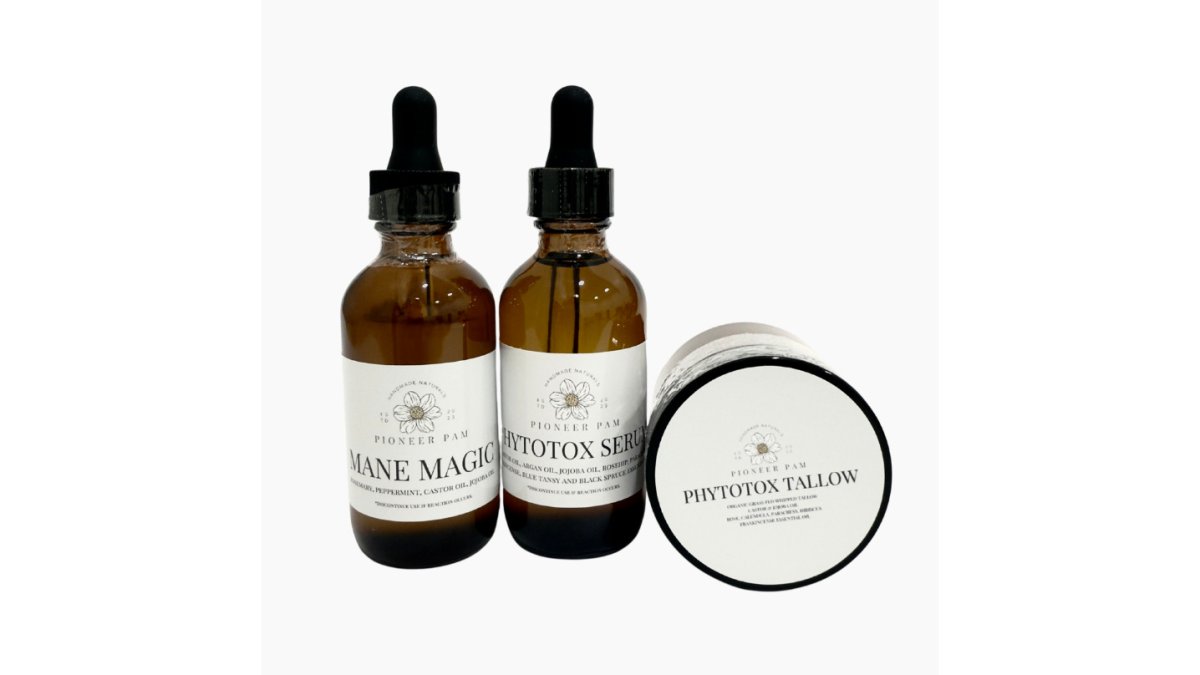
Step 3: Barrier moisturizer. Follow with a richer moisturizer or face salve to offset retinol's drying effect. The Beauty Bundle: Anti-Aging Skin & Hair Care includes the Phytotox Tallow, a hydrating face salve made with grass-fed tallow and herbal extracts, which fits this barrier-support step.

Layering conflicts to avoid
- Retinol and vitamin C in the same step. Both are acids at effective pH, and stacking them raises irritation risk without adding benefit. Split them: vitamin C in the morning, retinol at night.
- Retinol and exfoliating acids (AHA/BHA) on the same night. Alternate nights instead. Using both together is the most common cause of a compromised barrier in people starting actives.
- Benzoyl peroxide and retinol. Benzoyl peroxide can degrade some retinoids. If you use both for acne, use them on alternating nights or ask a clinician about sequencing.
When to add, not replace
Add one new active at a time and give it four weeks before adding the next. Introduce retinol, vitamin C, and an exfoliant in the same month and you won't know which caused a reaction.
Glimmer Goddess™ Organic Retinol Wrinkle Repair Face and Neck Cream →
Daily Habits That Prevent Skin Aging
Skincare products address only part of the equation. The habits below determine how fast your skin ages at a cellular level, and several have decades of population-level evidence behind them.
Sun protection: the highest-evidence habit
Evidence grade: strong. UV exposure is the single largest driver of visible skin aging, and the link between UV and photoaging is one of the best-established findings in dermatology. The Skin Cancer Foundation and the American Academy of Dermatology both treat daily broad-spectrum sunscreen as foundational, not optional.
Practical guidance most guides skip:
- Amount matters more than SPF number. Most people apply roughly a quarter to a half of the amount used in lab testing. A common benchmark is about one ounce (a shot glass) for the face and neck, or the "two-finger method", a strip of sunscreen along the length of two fingers for the face and neck.
- SPF 30 vs. SPF 50. SPF 30 blocks roughly 97% of UVB; SPF 50 blocks roughly 98%. The difference is small compared with the difference between applying enough and not applying enough. Choose SPF 30+ and apply it generously.
- Reapply every two hours outdoors, and after swimming, heavy sweating, or toweling off. Indoors near a window, once in the morning is usually sufficient unless you are in direct sun for long stretches.
Sleep: strong evidence for repair, weaker for "anti-aging" claims
Evidence grade: moderate. During sleep, blood flow to the skin increases and repair processes ramp up. Chronic deprivation is associated with duller skin, more visible fine lines, and slower barrier recovery. Aim for 7-9 hours consistently.
Smoking and alcohol: strong evidence for harm
Evidence grade: strong. Smoking constricts blood vessels, reduces oxygen delivery to skin, and degrades collagen and elastin, the effects are visible and well documented. Quitting produces measurable skin improvements over weeks to months. Heavy alcohol intake dehydrates skin and is associated with flushing and worsened tone.
Hydration: modest but real
Evidence grade: modest. Drinking enough water supports normal skin function, but it will not "flush out" wrinkles. A practical check is pale-yellow urine. Dehydrated skin looks dull and shows fine lines more prominently, so hydration is a baseline support habit rather than a treatment.
Nutrition and whole-body healthspan
Evidence grade: emerging to moderate. Skin aging tracks closely with cardiovascular and metabolic health. A Mediterranean-style diet rich in vegetables, fruit, legumes, and fish is associated with better skin appearance and lower systemic inflammation, and low intake of added sugar and ultra-processed foods is associated with less glycation, which stiffens collagen.
Exercise: the underrated habit
Evidence grade: moderate. Regular aerobic and resistance exercise improves circulation, supports sleep quality, and is associated with better healthspan. It won't replace sunscreen or retinol, but it benefits skin and the body at once.
Stress management
Evidence grade: moderate. Chronic stress elevates cortisol, associated with collagen breakdown and increased inflammation. Exercise, adequate sleep, and stress-reduction practices are the practical levers, not a single product.
Your Anti-Aging Skincare Routine: Realistic Timelines
Understanding timelines prevents disappointment and keeps you consistent when results take time to appear.
Ingredient |
Timeline to Results |
What to Expect |
|---|---|---|
Retinol |
8-12 weeks |
Fine lines soften, texture improves |
Vitamin C |
4-8 weeks |
Skin brightens, tone evens |
Peptides |
6-10 weeks |
Firmness increases, subtle lifting |
Hyaluronic Acid |
1-2 weeks |
Immediate plumping, hydration |
Sunscreen (consistent use) |
12+ weeks |
Prevents new damage, existing spots fade slowly |
Months 1-2: Improved hydration and smoother texture.
Months 2-4: Actives like retinol begin showing measurable changes, collagen production increases and tone evens out.
Months 4-6: Visible reduction in fine lines. Skin appears firmer. Age spots may lighten slightly.
6+ months: Sustained improvements in skin texture, firmness, and tone.
The Neck & Face Lifting LED Therapy Massager provides supplementary support for this timeline. The device uses microcurrent stimulation to improve skin firmness, working alongside your skincare routine. Use it for 5-10 minutes daily after applying serums or moisturizers.

The bottom line: Science-backed anti-aging isn't complicated, but it requires patience and consistency.
Frequently Asked Questions
What are the most effective science-backed ways to reduce visible signs of aging?
The strongest evidence supports retinoids, vitamin C serums, peptides, and consistent sun protection. Daily sunscreen prevents UV damage that accelerates skin aging. A solid anti-aging skincare routine combining these ingredients with hydration and gentle cleansing delivers measurable results. Lifestyle factors—adequate sleep, not smoking, limiting alcohol, and managing stress—also significantly impact how your skin ages over time.
Which skincare ingredients have the strongest evidence for improving the appearance of wrinkles?
Retinoids (retinol, retinaldehyde, prescription retinoids) have the most clinical evidence for reducing fine lines and wrinkles. Vitamin C (L-ascorbic acid) brightens and supports collagen production. Peptides signal skin to maintain firmness, and hyaluronic acid plumps fine lines through hydration. Niacinamide strengthens the skin barrier and reduces irritation. Products like Glimmer Goddess Organic Retinol Wrinkle Repair Face and Neck Cream combine proven ingredients in a single formula designed to address multiple signs of aging.
How long does it take to see results from an anti-aging skincare routine?
Most people notice improved hydration and skin texture within 2-4 weeks. Fine lines and wrinkle reduction typically take 8-12 weeks of consistent use, as skin cell turnover and collagen remodeling occur gradually. Results improve over 3-6 months with daily application. Retinoids may cause temporary dryness or sensitivity in the first 2-4 weeks before skin adjusts. Consistency matters more than speed—results plateau without ongoing use.
Does daily sunscreen help prevent visible skin aging?
Yes. UV exposure is the primary driver of premature skin aging, causing wrinkles, age spots, and loss of elasticity. Daily broad-spectrum sunscreen (SPF 30+) prevents new damage and allows existing damage to fade over time. Research that followed adults over several years found that people who applied sunscreen daily showed less visible skin aging than those who used it only occasionally. Combine sunscreen with other preventative habits, such as avoiding smoking, managing stress, and getting adequate sleep, for comprehensive anti-aging protection.
Can retinoids help improve the appearance of fine lines?
Retinoids are among the most evidence-backed ingredients for fine lines. They increase skin cell turnover, boost collagen production, and reduce the appearance of wrinkles over time. Start with lower concentrations (0.25-0.5% retinol) and gradually increase frequency to build tolerance. Results typically appear after 8-12 weeks of consistent use. Products like Glimmer Goddess deliver organic retinol in a formula that also hydrates and targets sagging skin, making it suitable for both face and neck application.
How should I build a simple anti-aging skincare routine?
Start with cleanse, treat, and moisturize. Use a gentle cleanser to remove impurities without stripping skin. Apply targeted treatments (retinol 2-3 times weekly, vitamin C serum in the morning, peptides for firmness). Follow with moisturizer to support the skin barrier and lock in hydration. Add sunscreen daily. Avoid overcomplicating—quality products used consistently outperform complex routines with mediocre products. Introduce active ingredients gradually to minimize irritation.
What lifestyle habits prevent skin aging most effectively?
Sleep quality directly impacts skin repair and collagen production—aim for 7-9 hours nightly. Avoid smoking, which accelerates wrinkles and collagen breakdown. Limit alcohol, which dehydrates skin and impairs repair. Manage stress through exercise or meditation, as chronic stress elevates cortisol and damages skin barrier. Stay hydrated and eat antioxidant-rich foods. These habits work alongside skincare products to deliver visible, lasting improvements in skin texture and tone.