

Table of Contents
- How Skin Ages: The Biology Behind the Changes
- Dermatologist Recommended Anti-Aging Ingredients Explained
- Retinol vs Peptides for Mature Skin: Which One Wins?
- Sunscreen and Skin Aging Prevention: What the Science Says
- How to Build an Anti-Aging Skincare Routine That Works
- The Anti-Aging Skincare Science Most Guides Skip
- Frequently Asked Questions
Last Updated: September 1, 2026
The science of anti-aging skincare for women has moved far beyond moisturizer and SPF. At Better Living Mosaic, we've tracked the ingredient research and sorted through the marketing noise to bridge the gap between clinical science and your actual bathroom shelf. The core insight: what happens to skin over time is predictable, and so are the interventions that work.
Anti-aging skincare uses topical agents and protective habits to slow, prevent, or visibly address the structural and functional changes that occur in skin over time, drawing on dermatological research into cell turnover, collagen synthesis, oxidative stress, and photoaging.
How Skin Ages: The Biology Behind the Changes
Skin aging is a convergence of biological processes happening at the epidermal and dermal levels simultaneously. The epidermal layer thins over time, cell turnover slows, and the skin barrier weakens, allowing moisture to escape more easily and irritants to penetrate more readily. At the dermal level, structural proteins break down faster than they're replaced, resulting in changes to texture, firmness, and tone that most women notice in their 30s and 40s.
Collagen, Elastin, and Skin Laxity
Collagen provides tensile strength and volume in the dermis. Elastin gives skin the ability to spring back after movement. Together, they determine skin firmness and what dermatologists call skin laxity.
Collagen synthesis slows with age while enzymes that break down existing collagen become more active. Elastin fibers become fragmented and disorganized. The visible result is skin that looks looser, with fine lines deepening into wrinkles and contours softening. Topical ingredients that support collagen synthesis, protect existing fibers from oxidative stress, and improve moisture retention can meaningfully affect how this process looks.
Hormonal Shifts and Mature Skin
Hormones are one of the most significant drivers of skin aging in women and are rarely discussed outside clinical contexts. Estrogen plays a direct role in collagen production, skin thickness, and moisture retention. According to research published in the American Journal of Clinical Dermatology, skin collagen content declines significantly in the years following menopause, with much of that loss occurring in the first five years. Progesterone and androgens also influence sebum production and skin texture, which is why many women notice their skin becoming drier, thinner, and more prone to discoloration during perimenopause.
This matters for skincare because a routine built for a 35-year-old's skin may need significant adjustment by 50. Hormonal changes shift which ingredients are most needed: hydration becomes more critical, barrier support matters more, and the skin may tolerate actives differently.
Dermatologist Recommended Anti-Aging Ingredients Explained
The most effective anti-aging skincare routines are built around well-researched active ingredients. What separates genuinely effective formulas from the noise is bioavailability, concentration, and formulation quality.
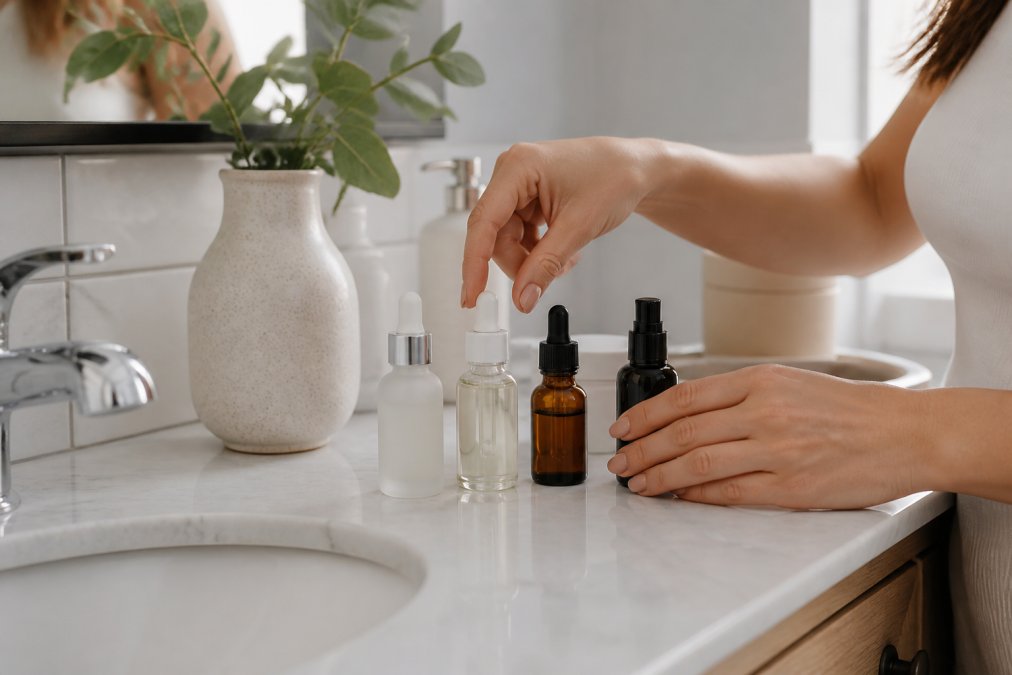
Close-up of a woman's hands arranging skincare bottles and serums on a clean white bathroom counter, with soft natural lighting
Antioxidants and Free Radical Defense
Free radicals are unstable molecules generated by UV exposure, pollution, and normal metabolic processes. They trigger oxidative stress, which damages collagen fibers, disrupts cell turnover, and accelerates photoaging. Antioxidants neutralize free radicals before they cause damage.
Vitamin C is the most studied topical antioxidant in dermatological research. It supports collagen synthesis, addresses hyperpigmentation, and brightens uneven skin tone. Vitamin E works synergistically with vitamin C, extending its protective effect. Niacinamide offers antioxidant activity alongside barrier-strengthening and pore-minimizing benefits. These ingredients address different pathways, which is why ingredient synergy matters more than any single hero active. The practical limitation: antioxidants are inherently unstable, particularly vitamin C, so formulation quality and packaging matter as much as the ingredient itself.
Hyaluronic Acid and Moisture Retention
Hyaluronic acid is a naturally occurring molecule in the dermis that holds water, contributing to skin plumpness and volume. Skin produces less of it with age, and topical hyaluronic acid has become one of the most widely used ingredients in anti-aging skincare because of its ability to attract and bind moisture.
Molecular weight matters: high-molecular-weight hyaluronic acid sits on the surface and provides immediate plumping, while lower molecular weight versions penetrate more deeply into the epidermal layer. The best formulas combine both. Applying hyaluronic acid to damp skin is more effective than applying it to dry skin, which can actually pull moisture out of the skin.
Retinol vs Peptides for Mature Skin: Which One Wins?
The retinol vs. peptides debate is often framed as either/or, but they work through different mechanisms and are more complementary than competitive.
Retinoids are vitamin A derivatives. Retinol is the over-the-counter form; prescription-strength tretinoin is more potent. They accelerate cell turnover, increase collagen synthesis, and improve skin texture. According to the American Academy of Dermatology, retinoids are among the most evidence-backed topical agents for addressing fine lines, hyperpigmentation, and uneven skin texture. The trade-off is initial irritation, dryness, and photosensitivity, especially in mature skin with a compromised barrier.
Peptides are short chains of amino acids that signal the skin to produce more collagen and elastin. They don't carry the same irritation risk as retinoids, making them a strong option for sensitive or reactive skin. Their clinical efficacy is generally more modest than retinoids, but they're well tolerated and work well as a supporting ingredient.
For mature skin: retinol remains the more evidence-backed choice for visible results, but concentration and delivery system need to match the skin's current tolerance. Starting with a lower concentration and building up slowly is the standard approach. Peptides work well alongside retinol, particularly in a moisturizer or night cream that also supports barrier repair.
The Glimmer Goddess™ Organic Retinol Wrinkle Repair Face and Neck Cream combines retinol with natural ingredients to address wrinkles, fine lines, and uneven texture. It's formulated for both face and neck, which matters because the neck is one of the first areas to show visible skin laxity and is frequently neglected in standard routines.

Glimmer Goddess™ Organic Retinol Wrinkle Repair Face and Neck Cream
Ingredient |
Primary Mechanism |
Best For |
Irritation Risk |
|---|---|---|---|
Retinol |
Cell turnover, collagen synthesis |
Fine lines, texture, hyperpigmentation |
Moderate to high initially |
Peptides |
Collagen/elastin signaling |
Firmness, sensitive skin |
Low |
Vitamin C |
Antioxidant, collagen support |
Brightness, discoloration |
Low to moderate |
Hyaluronic Acid |
Moisture retention |
Plumpness, dryness |
Very low |
Niacinamide |
Barrier support, antioxidant |
Pore size, uneven tone |
Very low |
Sunscreen and Skin Aging Prevention: What the Science Says
Photoaging is the single largest external contributor to visible skin aging. UV radiation breaks down collagen and elastin, generates free radicals, causes hyperpigmentation, and disrupts the epidermal barrier. The evidence for sun protection as a preventative measure is more consistent than for almost any topical active ingredient.
The sun protection factor, or SPF, measures protection against UVB rays, which cause burning and contribute to skin cancer risk. UVA rays penetrate more deeply into the dermis and are the primary driver of photoaging. A broad-spectrum sunscreen addresses both. Dermatologists consistently recommend SPF 30 as a minimum for daily use, with SPF 50 preferred for extended outdoor exposure. According to the Skin Cancer Foundation, daily sunscreen use slows the development of fine lines, uneven skin tone, and skin laxity over time.
How to Build an Anti-Aging Skincare Routine That Works
A science-based anti-aging skincare routine doesn't need to be complicated. The most effective routines are consistent, sequenced correctly, and built around a small number of well-chosen actives rather than a shelf full of competing products.
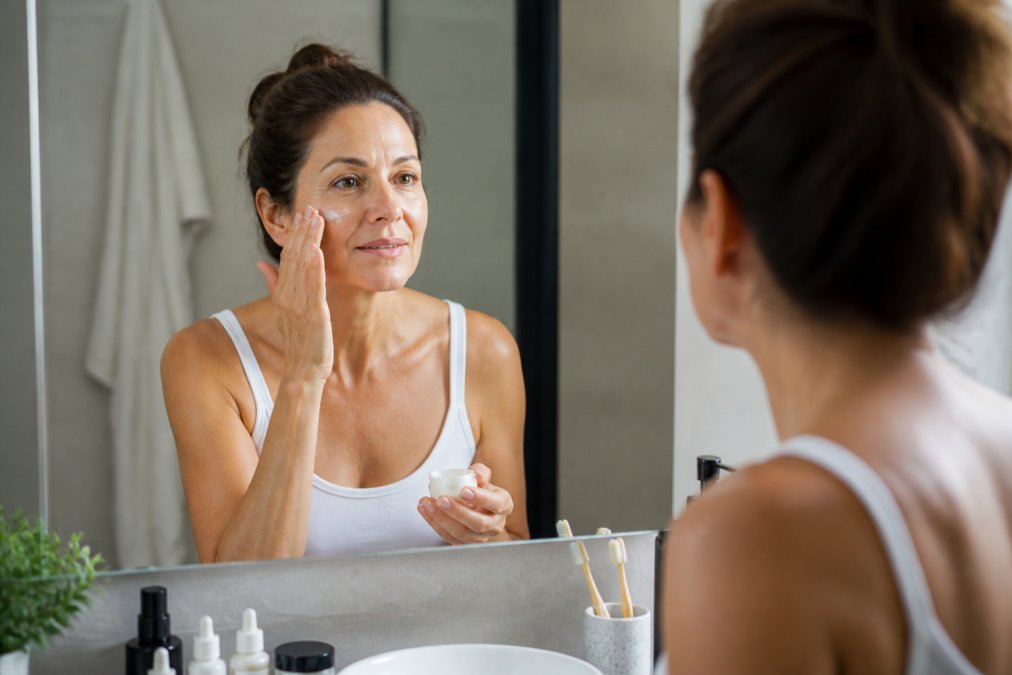
A woman in her 40s applying face cream in front of a well-lit bathroom mirror, looking calm and focused during her morning skincare routine
Morning routine:
- Gentle cleanser (non-stripping, pH-balanced)
- Antioxidant serum (vitamin C or niacinamide)
- Hyaluronic acid serum (on damp skin)
- Moisturizer with peptides or collagen-supporting ingredients
- Broad-spectrum SPF 30+ sunscreen
Evening routine:
- Cleanser (double cleanse if wearing SPF or makeup)
- Retinol or retinoid treatment (start 2-3 nights per week)
- Moisturizer focused on barrier repair and hydration
Ingredient Synergy and Layering Order
The sequence in which you apply products determines how well each ingredient performs. The general rule: thinnest to thickest consistency, water-based before oil-based.
Key synergies: Vitamin C and vitamin E together provide greater antioxidant protection than either alone. Niacinamide and retinol are compatible and often beneficial together. Hyaluronic acid applied before a moisturizer traps water at the skin's surface more effectively than either alone. Retinol and chemical exfoliants (AHAs, BHAs) should not be used on the same night, as the combination increases irritation without proportional benefit.
Budget vs. Higher-Priced Formulas: What Actually Differs
The active ingredient is often the same across price points. Retinol is retinol. Hyaluronic acid is hyaluronic acid. What higher-priced formulas frequently offer is better delivery systems, more stable packaging, more elegant textures, and combinations of supporting ingredients that lower-cost products may omit.
Where price genuinely matters: sunscreen formulation (elegant, wearable sunscreens are more likely to be worn consistently), vitamin C serums (stability and packaging are critical), and retinol products (delivery systems affect both efficacy and irritation). Where price matters less: hyaluronic acid serums, gentle cleansers, and basic moisturizers.
The DermaGlow™ Collagen Moisturizing Anti Aging Face Cream and the AH-8™ Face Firm Care Kit available through Better Living Mosaic offer day-and-night hydration alongside neck and neckline care.


The Anti-Aging Skincare Science Most Guides Skip
Most anti-aging skincare content covers retinoids, SPF, and vitamin C. Two areas stand out as frequently overlooked.
Cell Turnover and Epidermal Renewal
Cell turnover is the process by which the skin generates new epidermal cells and sheds old ones. In younger skin, this cycle takes roughly 28 days. It slows significantly with age, which is why mature skin often looks dull, uneven, and less responsive to topical products. Dead cells accumulate on the surface rather than shedding efficiently, which also reduces the penetration of active ingredients.
Epidermal renewal is the target of several key anti-aging interventions: retinoids accelerate it directly, chemical exfoliants (AHAs like glycolic and lactic acid) dissolve the bonds between dead cells to support shedding, and consistent hydration keeps the cellular environment favorable for renewal. Exfoliation is not optional for mature skin, it's the step that makes everything else work better. Two to three times per week with a well-formulated AHA is generally well tolerated and meaningfully improves skin texture, tone, and the absorption of subsequent actives.
Clean Beauty and Ingredient Transparency
Clean beauty is a term without a regulated definition in the United States. The FDA does not require pre-market approval for most cosmetic ingredients, which means the burden of ingredient evaluation falls on the consumer or the brand. As noted by the FDA's cosmetics guidance, cosmetic products must be safe for use but are not subject to the same pre-approval process as drugs.
What this means practically: "clean" on a label tells you very little without understanding the brand's specific standards. More useful questions are whether the formula discloses full ingredients (INCI nomenclature), whether fragrance is specified or listed as a blanket term, and whether the brand provides transparency about sourcing and testing.
Sustainability in skincare formulation is a related but separate question. Waterless formulas, concentrated formats, and refillable packaging reduce environmental impact without necessarily changing clinical efficacy. The Better Living Mosaic Beauty Bundle: Anti-Aging Skin & Hair Care offers a plant-powered, nurse-formulated set of targeted treatments including serum, tallow, and scalp care, designed with natural ingredients and results-focused formulation.
Skin aging is predictable, and so is the science behind slowing its visible effects. The challenge for most women isn't access to information; it's cutting through the volume of it to find what actually matters. Better Living Mosaic curates its anti-aging skincare selection with exactly that in mind: products that address real problems, formulated with active ingredients that have genuine dermatological research behind them, backed by a 30-day money-back guarantee and free worldwide shipping. Shop the anti-aging skincare collection at Better Living Mosaic and build a routine that works with your skin's biology, not against it.
Frequently Asked Questions
Does anti-aging skincare actually work to reduce wrinkles?
Yes, certain active ingredients have solid dermatological research behind them. Retinoids increase cell turnover and stimulate collagen synthesis, which visibly reduces fine lines over time. Antioxidants like vitamin C protect against oxidative stress that accelerates skin aging. The key is consistency — most topical agents take 8 to 12 weeks of regular use before visible improvements in skin texture and firmness appear. Products with clinically studied concentrations of these actives tend to deliver the most reliable results.
At what age should women start using anti-aging skincare products?
Preventative skincare can start as early as the mid-20s, when collagen production begins a gradual natural decline. At this stage, daily SPF and antioxidant serums are the highest-impact choices. Women in their 30s benefit from adding retinoids and hyaluronic acid to support moisture retention and cell turnover. By the 40s and 50s, especially around menopause when estrogen drops sharply, richer formulas targeting skin laxity, hyperpigmentation, and epidermal thinning become more relevant to a daily routine.
How do retinoids affect skin cell turnover and why does that matter?
Retinoids are vitamin A derivatives that bind to receptors in the dermal and epidermal layers, signaling skin cells to renew faster. This accelerated cell turnover clears away older, dull surface cells and supports collagen synthesis deeper in the skin. The result over time is smoother skin texture, reduced discoloration, and fewer visible fine lines. Retinoids are among the most studied topical agents in dermatological research and are consistently cited in clinical literature as effective for mature skin concerns.
How does sun exposure accelerate the skin aging process?
UV radiation triggers photoaging by generating free radicals that break down collagen and elastin fibers in the dermis. This leads to skin laxity, uneven skin texture, hyperpigmentation, and deeper wrinkles — often appearing years before intrinsic aging would cause the same damage. The FDA classifies broad-spectrum sunscreen as an over-the-counter drug, and dermatologists consistently rank daily SPF use as the single most impactful preventative skincare step regardless of skin tone or age.
What is the difference between retinol and peptides for aging skin?
Retinol is a vitamin A derivative that speeds cell turnover and directly stimulates collagen synthesis — it produces more dramatic results but can cause initial dryness or sensitivity. Peptides are short amino acid chains that signal the skin to produce more collagen and elastin without the same irritation risk, making them a strong option for sensitive or mature skin types. Many dermatologists recommend using both in a layered routine: peptides in a morning serum and retinol at night to address multiple signs of aging simultaneously.
Can I verify that anti-aging skincare products are backed by science rather than just marketing?
Look for products that list specific active ingredient concentrations, reference peer-reviewed dermatological research, and avoid vague claims like 'miracle results.' Ingredients with the strongest clinical backing include retinoids, vitamin C, niacinamide, hyaluronic acid, and broad-spectrum SPF. Products described as 'dermatologist-tested' have typically undergone controlled skin tolerance testing. Reading ingredient labels critically and sourcing from curated retailers who vet product quality — rather than just volume — helps filter out formulas that rely on marketing over bioavailability.