

Table of Contents
- Does Shapewear Help With Back Pain? The Honest Answer
- How Compression Garments Support Core Muscles and Spinal Alignment
- Shapewear and Posture: What Changes When You Wear It
- Can Tight Shapewear Cause Back Pain? Risks to Know
- How Long to Wear Shapewear for Back Support
- Choosing the Right Compression Garment: Fit, Sizing, and Compression Level
- Shapewear vs. Evidence-Based Back Pain Alternatives
- Frequently Asked Questions
Last Updated: October 21, 2026
Does Shapewear Help With Back Pain? The Honest Answer
Does shapewear help with back pain? Sometimes, and only in a narrow way. A compression garment can steady your torso and nudge you toward better posture, but it cannot fix the cause of most back pain.
Here is the part most articles skip: compression is a tool for comfort and body awareness, not a treatment.
Compression shapewear is a garment that applies gentle pressure around the waist and torso to support posture and reduce muscle fatigue during daily activity.
What Compression Actually Does to Your Torso
Compression applies gentle pressure to the muscles and soft tissue around your waist and back. That pressure can make you more aware of your posture. It can also add a feeling of support when you sit, stand, or lift.
What it does not do is heal a disc, repair a muscle, or correct a spinal condition. Think of it as a reminder to hold yourself upright, not a cure.
What the Evidence Can and Cannot Promise
The honest answer is that evidence for shapewear as a back pain treatment is limited and mixed. Most claims come from small studies or from the compression-garment industry itself.
So set your expectations low and practical:
- It may ease fatigue during long periods of standing.
- It may improve posture awareness for a few hours.
- It will not replace strength work or medical care.
How Compression Garments Support Core Muscles and Spinal Alignment
Support comes from two effects working together: muscle stabilization and pressure distribution. A well-fitted compression garment wraps the torso, which can reduce the small wobbles and compensations that tire out your back muscles over a long day.
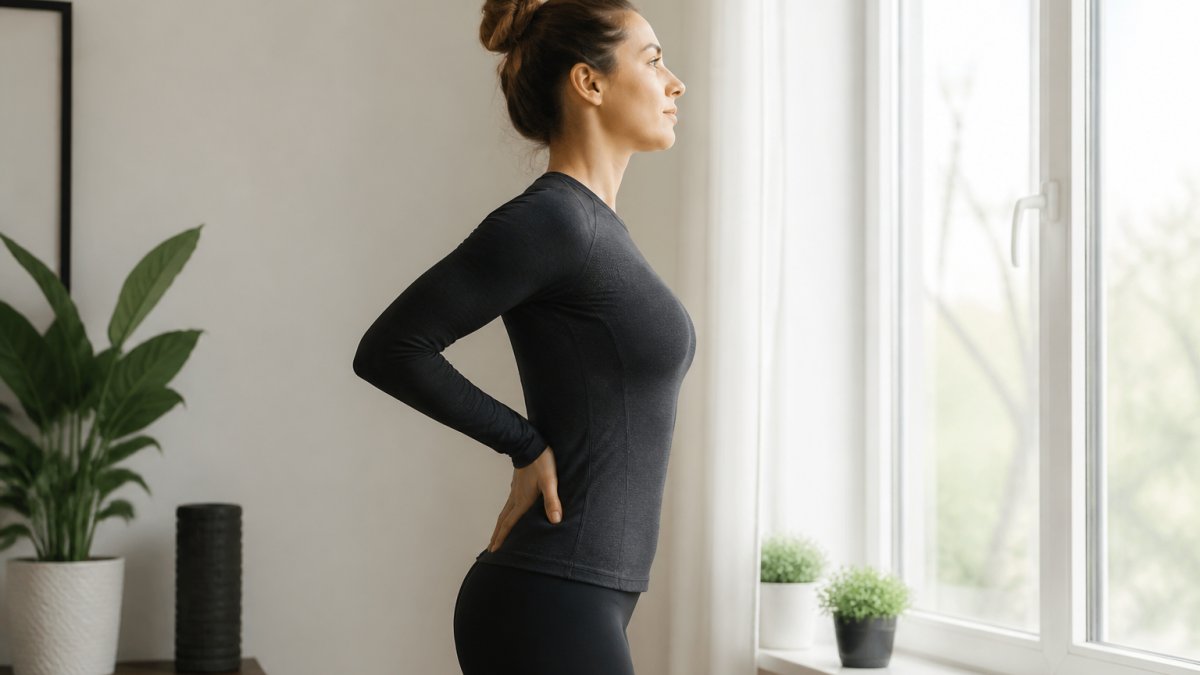
The Cleveland Clinic overview of lower back pain notes that most lower back pain improves with movement and core strength, not with external bracing alone. That context matters. Shapewear is a helper, not the main event.
Muscle Stabilization and Strain Reduction
Gentle pressure can act like a light brace. It gives your core muscles a boundary to work against, which some people find reduces strain during repetitive tasks.
The catch: if you lean on it all day, your own muscles do less. Use it as a cue, then take it off and let your core do the work.
Pressure Distribution Across the Waist and Back
Good compression spreads pressure evenly across the waist and lower back. Uneven or excessive pressure is where problems start.
Signs your garment is distributing pressure poorly:
- Red marks or deep grooves after removal
- Numbness or tingling in the legs
- Shortness of breath or rib discomfort
Shapewear and Posture: What Changes When You Wear It
Shapewear and posture have a simple relationship: the garment can remind you to sit and stand taller, but it cannot hold you there once you take it off.
A compression top or shaping bodysuit can pull your shoulders back slightly and support an upright spine while you wear it. The benefit fades the moment it comes off unless you train the muscles underneath.
Can Tight Shapewear Cause Back Pain? Risks to Know
Yes. Tight shapewear can cause back pain, especially when it is too small or worn too long. Excessive compression restricts movement, tires the muscles, and can press on nerves.
The U.S. Food and Drug Administration guidance on compression devices treats compression as a regulated category when marketed for medical use, which is a reminder that pressure levels matter. A cosmetic shaping garment is not a medical device, so fit and wear time are on you.
Nerve Compression and Circulation Concerns
Too-tight shapewear can press on nerves and reduce circulation. Watch for tingling, numbness, or cold skin in the thighs and legs. These are signs to loosen up or take it off.
Long wear without breaks can also irritate the skin and cause chafing. Give your body time out of the garment every day.
Red Flags That Need a Doctor, Not a Garment
Some back pain needs clinical assessment, not shapewear. Seek medical care if you notice:
- Pain that shoots down a leg or causes weakness
- Numbness around the groin or loss of bladder control
- Pain after a fall or injury
- Fever, unexplained weight loss, or pain that wakes you at night
These signs point to causes a compression garment cannot touch.
Women's Anti-Hunchback Posture Correction Sports Bra with Chest Pad →
How Long to Wear Shapewear for Back Support
How long to wear shapewear depends on your goal, but the practical rule is a few hours at a time, not all day.
Start with 60 to 90 minutes during your most demanding task, then take it off and check how your body responded. If your skin is clear, your breathing is easy, and your back feels no worse, add 30 minutes to the next session.
| Wear Scenario | Suggested Duration | Frequency | Watch For |
|---|---|---|---|
| Desk or standing work | 2-4 hours | Daily, with a mid-session break | Red marks, rib pressure, shallow breathing |
| Long drives or travel | Trip length only, with a stretch stop every 1-2 hours | As needed | Numbness or tingling in legs |
| Light activity or errands | 1-3 hours | A few times a week | Chafing, breathlessness |
| Posture training | 1-2 hours | Daily | Muscle dependence, slumping when removed |
Why More Wear Is Not Better Wear
A compression garment does part of the postural work for you. Wear it too long and your core muscles adapt to the support, which is the opposite of what you want.
Circulation is the other limit. Pressure that is fine for an hour can become uncomfortable by hour five, especially around the ribs and waistband. Give your skin and tissue time out of the garment every day, and never sleep in compression shapewear unless a clinician has told you to.
Stop Signals: When to Take It Off Immediately
Remove the garment right away if you notice any of the following:
- Numbness, tingling, or a "pins and needles" feeling in the legs or feet
- Cold or pale skin below the waistband
- Shortness of breath, rib pain, or a feeling you cannot take a full breath
- New or worsening back pain while wearing it
- Deep red grooves, blisters, or broken skin after removal
These are not signs to "tough it out." They mean the fit or wear time is wrong, and continuing can turn a comfort tool into a source of nerve or skin irritation.
Choosing the Right Compression Garment: Fit, Sizing, and Compression Level
Fit decides whether a compression garment helps or hurts. The right size applies even, gentle pressure and lets you breathe and move freely. The wrong size squeezes, digs in, and can trigger the very pain you are trying to avoid.
A Practical Fit Checklist
Work through these before you commit to a garment:
- Measure your waist, hips, and torso with a soft tape, standing relaxed, not sucking in.
- Match your measurements to the brand's size chart, not your usual clothing size. Sizing varies widely between makers.
- Choose moderate compression for daily support. Save firmer compression for short, specific tasks, if at all.
- Put it on and take five deep breaths. If you cannot fill your lungs comfortably, it is too tight.
- Sit, stand, bend, and reach overhead. The garment should stay in place without riding up, rolling down, or digging into ribs or hips.
- Check seams and boning. They should sit flat against the body, not press into a single point.
- Wear it for an hour at home before wearing it for a full day, and inspect your skin afterward.
Reading Compression Levels
Compression is usually described in relative terms, light, moderate, firm, rather than a single universal number, and the labels are not standardized across brands. As a working guide:
- Light: a gentle hug, easy to forget you are wearing it. Good for first-time users and desk work.
- Moderate: noticeable support that still allows full breathing and movement. The usual choice for daily posture cues.
- Firm: strong pressure intended for short wear. Easy to overdo; check skin and breathing carefully.
If a garment is marketed with medical-grade pressure claims, treat that as a signal to ask a clinician rather than to size down for more support.
Match the Garment to the Task
A high-waist brief, a shaping bodysuit, and a compression top each load the torso differently. A top or bodysuit cues the shoulders and mid-back; a high-waist brief focuses pressure on the lower abdomen and lumbar area.
If you want posture support built into activewear, a posture-focused sports bra can help cue shoulder and spine alignment during workouts. Better Living Mosaic carries a posture correction sports bra ($66.99) designed to encourage proper spinal alignment and shoulder positioning, with a nylon and elastane blend for breathable, moderate stretch.

For targeted relief after long days, a red light therapy belt ($74.99) wraps around the waist or shoulders and combines warmth with red light. It is a comfort add-on, not a substitute for strength work or medical advice.

Shapewear vs. Evidence-Based Back Pain Alternatives
Shapewear is one option among many, and usually not the first one clinicians recommend. Evidence-based alternatives focus on building strength and movement habits that last after the garment comes off.
Compare the options honestly:
- Core and back strengthening: Targets the muscles that hold posture. The most durable fix.
- Physical therapy: Guided programs for specific causes of pain.
- Ergonomic changes: Better chairs, screens, and lifting habits reduce daily strain.
- Movement breaks: Standing and stretching every hour beats any garment for long-term comfort.
- Compression shapewear: A short-term comfort and posture cue, best used alongside the above.
The National Institute of Neurological Disorders and Stroke notes that most back pain improves without surgery, which is why movement and strength come first. Shapewear fits in as a support tool, not a standalone answer.
Frequently Asked Questions
Can tight shapewear make back pain worse?
Yes, it can. A garment that digs into the waist or compresses the ribs restricts how your torso moves and can irritate nerves or muscles, which may trigger a pain flare. If you feel numbness, tingling, or sharper pain while wearing shapewear, take it off and let a healthcare professional assess the cause before you wear it again. Fit matters more than compression level here.
How long is it safe to wear shapewear each day?
Start with one to two hours at a time and build up only if you stay comfortable. Many people do well wearing a compression garment for a workday, then removing it in the evening. Take it off if you notice numbness, tingling, trouble breathing, or skin irritation. There is no single safe number for everyone, so let comfort and sensation guide you.
Does shapewear improve posture permanently?
No. Shapewear and posture-support garments give temporary feedback and gentle pressure that can help you hold a more upright position while you wear them. The effect stops when you take the garment off. Lasting posture change comes from strengthening core and back muscles, adjusting your workstation, and moving regularly. Treat shapewear as a reminder, not a fix.
When should back pain be checked by a healthcare professional?
Seek care if back pain follows a fall or injury, comes with numbness, weakness, or loss of bladder or bowel control, radiates down a leg, or wakes you at night. Persistent pain lasting more than a few weeks also deserves an assessment. These signs can point to causes that compression cannot address, and a clinician can rule out serious problems before you rely on any garment.
Back pain rarely has a single fix, and a garment alone will not deliver one. If you want a practical support piece to pair with strength work and better habits, Better Living Mosaic offers a posture-focused sports bra and a red light therapy belt for warm, targeted comfort. Both come with our 30-day money-back guarantee and free worldwide shipping. Get started with Better Living Mosaic and build a routine that supports your back for the long run.